Archive | History RSS feed for this section

Turkey: Church discovered in world’s biggest underground city in Nevşehir with never-before-seen frescos

24 Feb

“Turkey: Church discovered in world’s biggest underground city in Nevşehir with never-before-seen frescos”

by Matt Atherton via “IBT

Church fresco

An 1,500-year-old underground church has been discovered in Turkey with never-before-seen frescoes depicting Jesus and “bad souls being killed”. The church was found in the world’s largest known underground city in the Cappadocia region of central Turkey.

The frescoes have been described as depicting Jesus rising into the sky – known in Christianity as the Ascension – and the destroying of evil – known as the Last Judgement. The discovery of the church itself – which archaeologists suggest could be more than 1,500 years old – still has secrets to be revealed, as so far only the roof and uppermost part of the walls have been uncovered.

“Only a few of the paintings have been revealed,” said researcher Ali Aydin, who told the Hurriyet Daily News: “There are important paintings in the front part of the church showing the crucifixion of Jesus and his ascension to heaven. There are also frescoes showing the apostles, the saints and other prophets Moses and Elyesa.”

An urban housing project was taking place in the city of Nevşehir, where the church was found. It is part of a huge number of early dwellings, which form the largest known ancient underground city. The underground city itself was discovered in 2014, and around four miles of tunnels have been uncovered. The experts believe people lived here around 5,000 years ago.

Archaeologists have had to pause their excavations, however, as the winter humidity can damage the paintings. However, they have managed to reveal the ceiling of the structure which mainly sits underground, and were fascinated by the huge frescoes which can be found across the inside of the roof and top of the walls.

“We know that such frescoes have so far never been seen in any other church,” said Hasan Ünver, mayor of Nevşehir. “It was built underground and has original frescoes that have survived to this day. This place is even bigger than the other historical churches in Cappadocia.

“It is reported that some of the frescoes here are unique. There are exciting depictions like fish falling from the hand of Jesus Christ, him rising up into the sky, and the bad souls being killed. When the church is completely revealed, Cappadocia could become an even bigger pilgrimage center of Orthodoxy,.”
READ MORE

22 Feb

image

According to traditional custom, today is the Chinese lantern festival! It’s a day when they light the paper lanterns and send them up as symbols of hopes and dreams for the future. A beautiful tradition!

image

Always on the first full moon of the new lunar year.

image

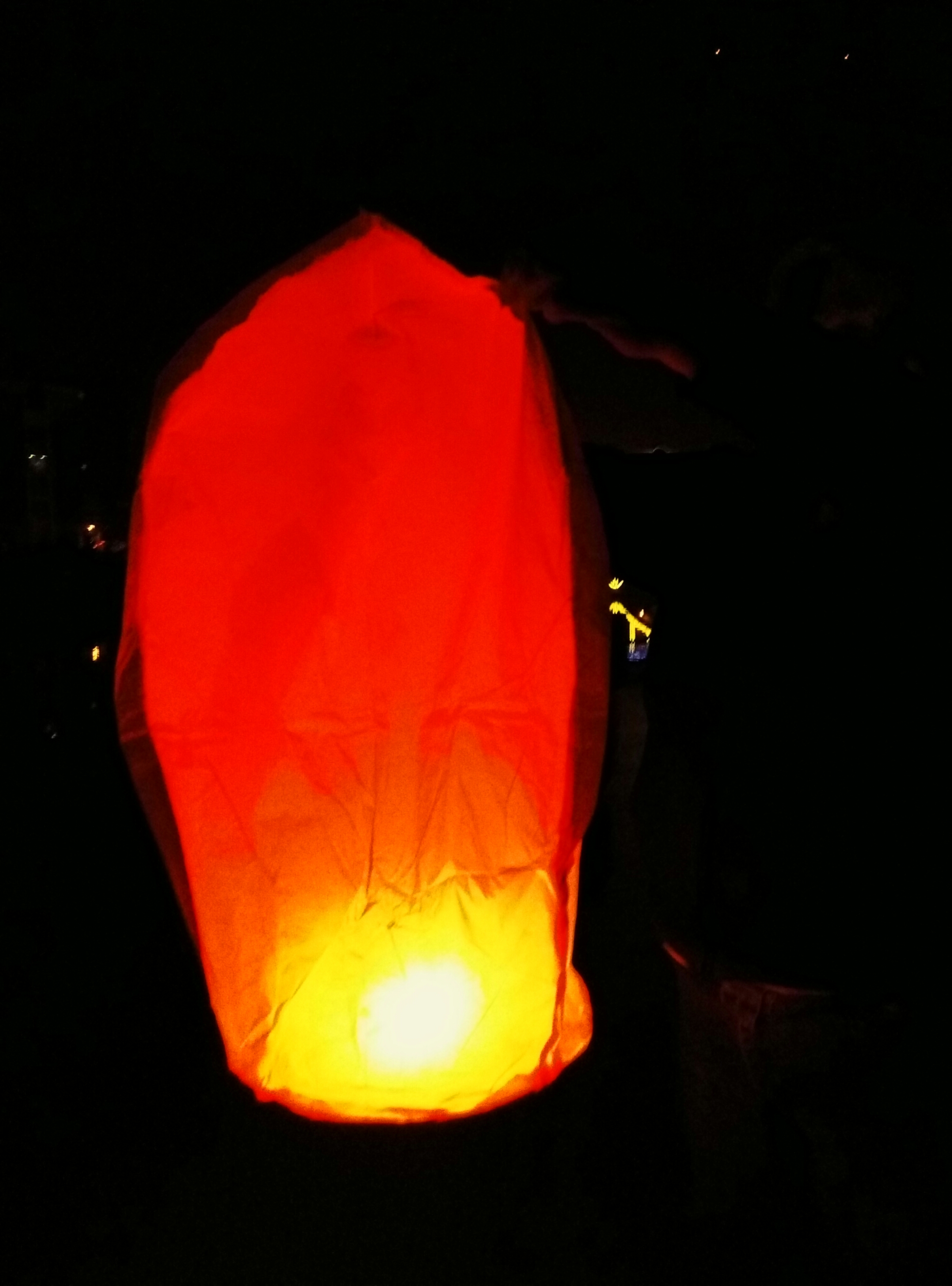
Lanterns are available for about ¥5, and come in many colors! Mine was red 🙂

image

Lights are shining!

image

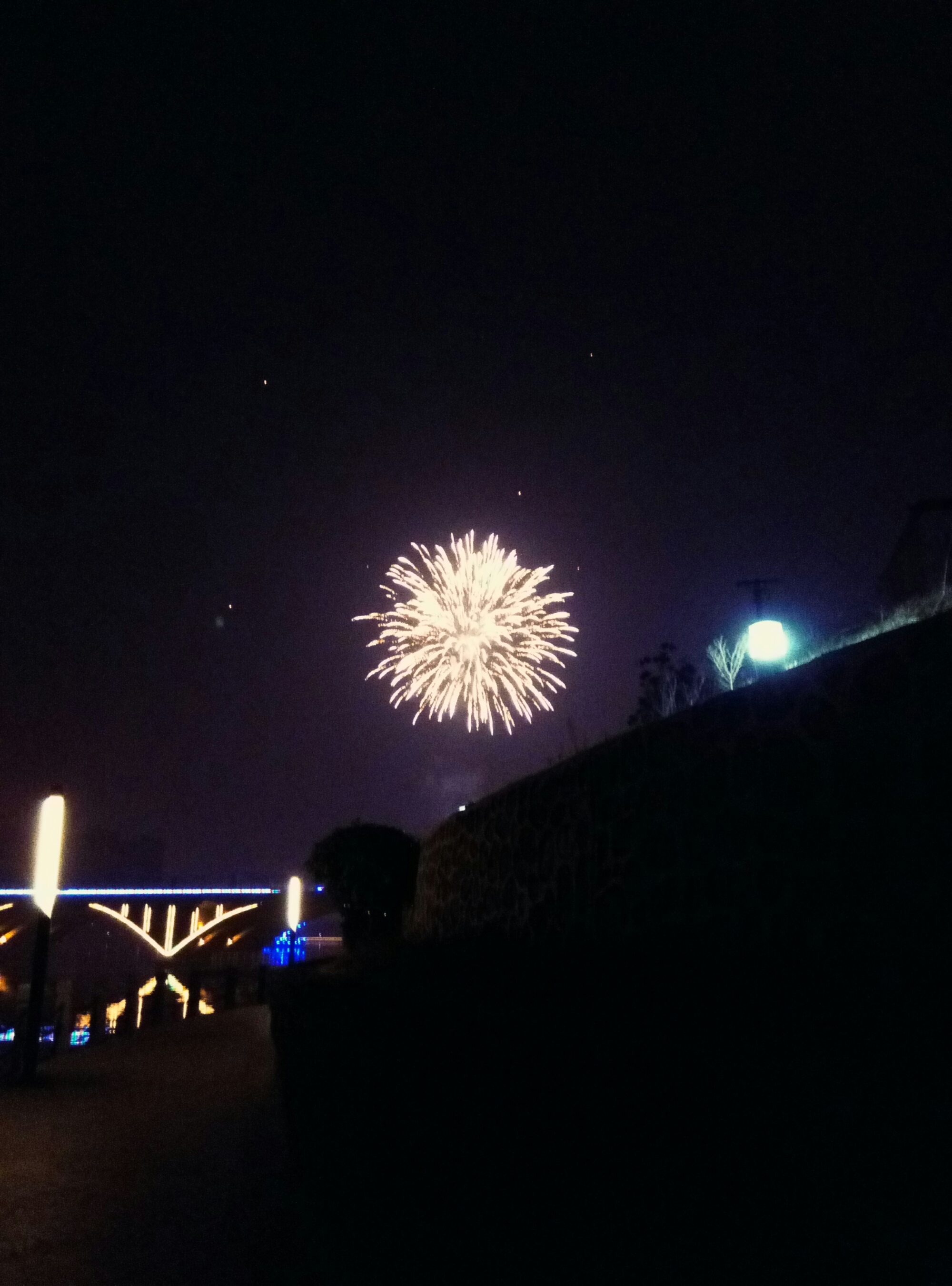
Fireworks blasting!

Happy Lantern Festival!

Oldest Surviving Copy of Hebrew Bible Recognized as UNESCO World Treasure

19 Feb

“Oldest Surviving Copy of Hebrew Bible Recognized as UNESCO World Treasure”

Stoyan Zaimov via “Christian Post

Aleppo Codex

The Aleppo Codex, the oldest surviving copy of the Hebrew Bible that some experts believe all versions of the Old Testament stem from, has been recognized by UNESCO as an important world treasure.

I24News reported that the United Nations Educational, Scientific and Cultural Organization added the millennium-old Codex earlier this week to its International Memory of the World Register, which honors some of the most important discoveries relating to human history.

Adolfo Roitman, the head curator of the Shrine of the Book Museum in Jerusalem, which holds the Codex, explained its significance, stating that all current versions of the Old Testament stem, “in one way or another, from this ancient manuscript.”

Dead Sea scrolls
Amir Ganor, director of the unit for the prevention of antiquities robbery in the Israeli Antiquities Authority, shows a document, thought to be an ancient text written on papyrus, at Jerusalem Magistrates Court May 6, 2009. According to the Israeli Antiquities Authority, the document is written in ancient Hebrew script, which is characteristic of the Second Temple period and the first and second centuries CE. This style of writing is primarily known from the Dead Sea scrolls and various inscriptions that occur on ossuaries and coffins. It was seized from two men suspected to be antiquities robbers in an elaborate undercover operation.

The Codex is believed to have been written somewhere around the year 930 in the town of Tiberias on the shores of the Sea of Galilee. It has been moved around through several different cities, and as many as 190 pages are missing from the surviving copy, though scholars disagree where and when they were lost.

It was smuggled out of Syria and arrived in Israel in 1958, before it was eventually moved to the Israel Museum in the mid-1980s.

It is also not clear who precisely owns the Codex, though filmmaker Avi Dabach, who is planning to make a documentary about the ancient manuscript, believes that it belongs to the Jewish community that fled Syria.

“In the 1960s the Aleppo-Jewish community sued the people who brought the Codex to Israel. … The Israeli Authorities decided to confiscate this item and then, from a position of strength, force on the community an arrangement,” Dabach has said.

Although the Aleppo Codex is considered the oldest copy of the Hebrew Old Testament, there are much older fragments of biblical manuscripts in existence, such as the 2,000-year-old Dead Sea scrolls. . . 

READ MORE

Chinese Lunar Calendar

12 Feb

Introduction to the Chinese Lunar Calendar
and Origin of the Zodiac Animals

Zodiac.jpg

Happy Year of the Monkey!

Continue reading

Art Forgery Trial Asks: Were Dealers Duped, Or Did They Turn A Blind Eye?

11 Feb

“Art Forgery Trial Asks: Were Dealers Duped, Or Did They Turn A Blind Eye?”

by Joel Rose via “NPR

The Knoedler & Company art gallery, shown here in 2010, had been in business  since before the Civil War. The gallery permanently closed its doors in 2011.

The New York art world was shocked when the city’s oldest gallery abruptly closed its doors more than four years ago. A few days later, news broke that Knoedler & Company was accused of selling paintings it now admits were forgeries for millions of dollars each. The gallery and its former president face several lawsuits by angry collectors and the first trial began this week.

The forgeries at the center of the scandal look like masterpieces by Jackson Pollock, Willem de Kooning and other prominent abstract expressionists. They were good enough to fool experts, and even Ann Freedman, then-president of Knoedler & Company, says she was duped.

Her lawyer, Luke Nikas, says, “Ann Freedman believed in these paintings. She showed them to the whole art world. She showed them to experts. And she has piles and piles of letters from all of these experts informing her that the works are real.”

Nikas says Freedman even bought some of the paintings for her own personal collection. But the plaintiffs in this case and other pending lawsuits say Freedman overlooked glaring problems with the paintings’ backstories. The art dealer who sold the paintings to the gallery, a woman named Glafira Rosales, pleaded guilty to fraud and money laundering charges in 2013. According to Freedman, Rosales told an elaborate story involving a European collector (known only as “Mr. X”) who bought the paintings with cash in the 1950s, when he was having an affair with an assistant at two top New York galleries.

“It’s quite a tale, and people bought it,” says Amy Adler, who teaches art law at New York University. “I suppose the temptation would be there — not just for buyers, but, yes, even for sellers — to think they’d happened upon these magnificent, undisclosed masterpieces.”

In the end, Rosales admitted to selling Knoedler 40 counterfeit paintings over more than a decade. The plaintiffs argue that Freedman knew — or at least should have known — that something was amiss. It’s hardly the first time an art dealer has been accused of deliberately looking the other way.

Ken Perenyi is a professional art forger who wrote about his career in the book Caveat Emptor. “From over 30 years’ experience with art dealers,” he says, “I would say there most certainly are individuals out there in the trade that will turn a blind eye.” . . .

READ MORE

Discovery of the World’s Oldest Tea

31 Jan

Archaeologists have discovered a huge stash of the oldest tea in the world buried in the tomb of an ancient Chinese emperor. The tea (pictured right) was badly decomposed, but analysis showed only the finest tips (bottom left) had been picked and buried with the emperor. Similar tea was found in a tomb in Tibet (top left) Archaeologists have uncovered the world’s oldest set of tea leaves from the tomb of an ancient Chinese emperor! 

 Living 2,150 years ago in the Western Han Dynasty, Emperor Jing was a major fan of the delicious drink.  Like all the rest of us tea lovers, Emperor Jing understood the power of the tea leaf and its healing/renewing abilities.  

The collection of tea leaves was 42 feet x 8 inches. That is a major tea haul! If you ever tried drinking tea from leaves rather than a lipton bag, you’ll know that it only takes a small amount to go a long way. This amount probably lasted him a long while in the afterworld!  

This particular type of tea, Camellia Sinesis, comes from a type of small evergreen shrub known as a tea tree. The leaves and buds of the tree are used to create a special, expensive green tea.  There are actually two varieties of the tree–one is used to create the Chinese teas (such as White Tea, Oolong, Pu’er, Green Tea, etc.) and the other is used to create Indian Assam teas. The leaves of the tree have long been applied in Chinese traditional medications and as a caffeine provider.  I’m guessing it was pretty easy to bring the emperor over as a tea supporter 🙂
The tomb was located in Xi’an, China. Xi’an is now world-famous due to the discovery of the Terra Cotta army buried under the local hills and is only about an 8 hour drive from where I live!  I’m really excited; maybe I could see this tea pile 🙂 Emperor Jing’s tomb contained “50,000” terra cotta animals and statues, along with other great treasures.

The extra amazing thing about the tea beyond its age is the fact that it is some of the earliest proof that researchers have about the Silk Road.  It is believed that the emperor may have traded his tea with Tibet where similar tea remains were found dating not long after.  This shows the the Silk Road probably moved thorugh Tibet at the time.  

Resources:

  1. Daily Mail
  2. Medicine.Net
  3. Wikipedia (Don’t Shoot Me)

Getty Museum returns the Head of Hades to Italy

29 Jan

Sometime between 300-400B.C., an unknown artist in Morgantina, Italy carefully sculpted this terra-cotta replica of the famed god of the Underworld, the feared Hades.  The skull or head itself was carefully sculpted on its own, and later the curly hair and beard were individually added, one curl at a time, just before the final firing in the kiln. Afterwards, it was carefully painted, and some parts of the paint remain such as the red in his hair and the blue in his beard.  This beautiful artifact is an amazingly well-preserved momento of painstaking artistry.

The piece goes by both the name “Head of Hades” and “Bluebeard” and was illegally excavated from an Italian archaeological dig during the 1970s. Afterwards it was sold and ended up at the Getty Museum in the USA.  

According to the Getty Website, the work was initially believed to be a depiction of Hades’ brother, Zeus (known occasionally as Bluebeard).  However, examination of the nearby discovered artifacts and the knowledge that Morgantina worshipped Persephone (kidnapped wife of Hades), they now believe it is actually Hades instead.  The kidnapping of Persephone is thought to have occurred at a lake near the city.  

Long story short, because the work was illegally excavated, it technically still belongs to Italy and was stolen property, meaning the Getty had to repatriate the bust to its nation of origin.  Although the legal exchange happened a couple years ago, the official trade occurred recently when Italian officials arrived to take over possession.  

One of the interesting notes to me is the fact that the Getty has owned this work since 1985 (almost 20 years) according to their own website. It is unclear why it took so long for them to return the stolen relic.  

Either way, the work is finally home as Hades returns to his royal lands, protecting the good and punishing the wicked as they pass into his deadly realm.

Resources:

  1. Getty Website
  2. Yahoo! News

When Time Rewinds

19 Dec

DSC00518

Kaifung, Henan, China ~ Traditional Park

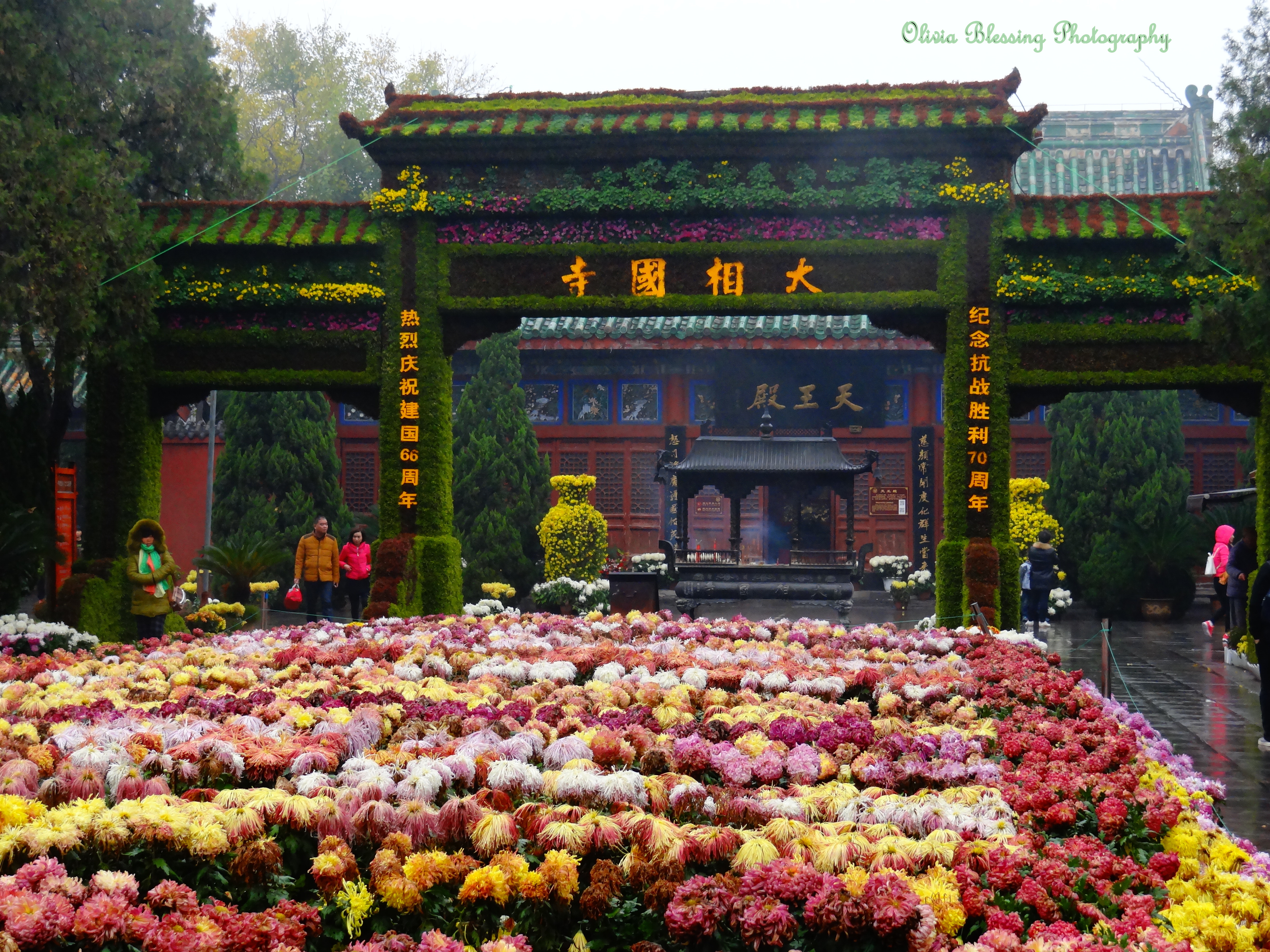
48 Hours in Kaifeng ~ City of Chrysanthemums

29 Nov

DSC00518

Where? ~ Kaifeng, Henan, China

How? ~ Fly into Zhengzhou (an international airport). Grab the train or a bus to Kaifeng (takes about 2 Hours)

Recommendation ~ Don’t go later in the winter than November 20th or so.  All the cultural sites will be winding up their activities and events, so you’ll miss all the fun things to do there.  For example, we caught the last showing of the Millennium Park War (a major thing to see).

Cost ~ Please note that the costs below are what was reported to me. To be honest, costs vary from week to week here. So it could be as much as 20CNY higher or lower (about $4) for each place, or it could be what I told you. It really depends on the day.

Kaifeng

Why?

The Ancient City of Kaifeng 开封 (kI fuhng) lies in the heart of central Henan Province, China and trails just south of the Yellow River.  The local Henan people speak of Kaifeng, the capital of six different dynasties and a town filled with beautiful flowers and famous dishes, with the greatest respect and awe.  

Gates

“Open and Shut”

Dating to 364BC, a small city of canals and waterways linked to the Yellow River was created. This little town would eventually morph into a thriving business and merchant city, now home to almost 6 million people. The city would be destroyed, abandoned, and re-built many times in the following centuries, and remnants of these cultures can still be seen at the local cultural sites and the city museum.  In fact, for about 114 years, Kaifeng was the largest city in the world! The tour guide compared it to Tokyo, New York, and Paris in its time.

The characters in the name Kaifeng represent the phrase “Open and Shut.”  Officially, this name represents the fact that Kaifeng represents open and shutting doors.  Kaifeng has always been open to new ideas, new theories ~ a center of business, technology, and politics.  But it is also closed, remaining true to the traditional values and beliefs of its ancient inhabitants.  This is why when you visit, you can find both Ancient villas that appear unmarked by the intervening centuries and modern Shopping.

Secretly, our guide says “Open and Shut” is the name because if you open up the windows in Kaifeng, you’re blown away by the winds.  Perhaps true, it was seriously freezing and the wind could have cut through a sheet of glass.   Continue reading

One Thousand Hands and Eyes

26 Nov

Mercy

This beautiful statue of the Buddhist Goddess of Mercy lies in Daxiangguo Temple in Kaifeng, Henan, China.  Gold-plated, it is a memorial to both propriety and filial piety, two of the great Chinese Confucian virtues.  The story below is a combination of the story told by the tour guide and some local conversationalists who were happy to relate the story to me.  

Many centuries ago,

An old emperor of China grew very, very ill and saw that his country was suffering as well.  Realizing that the country was troubled and needed heavenly assistance, the worried king called out to Buddha and asked for guidance on how to appease the heavens and reclaim the blessings from above.  

Buddha responded that the country and its king had done some very wicked things in the past and that now a sacrifice would be required to repair the damage.  Buddha asked that the Emperor offer up to the heavens one arm and one eye from someone within his family. If he did so, Buddhas said, the country and emperor would be healed and would live in peace once more.  

The Emperor was very saddened and worried, because the only family he had left were his three young daughters.  The Princesses though were very concerned about their father and finally convinced him to share what Buddha commanded.  Upon hearing of the sacrifice required, the sisters were quite upset.

 The eldest daughter went to her father ~ “My king, although I love you and would do anything else that you asked of me, I cannot do this for you. I am a new mother, my baby is still nursing. If I only have one arm and one eye, how could I possibly care for my baby the way a good mother is supposed to?” Continue reading