Tag Archives: China

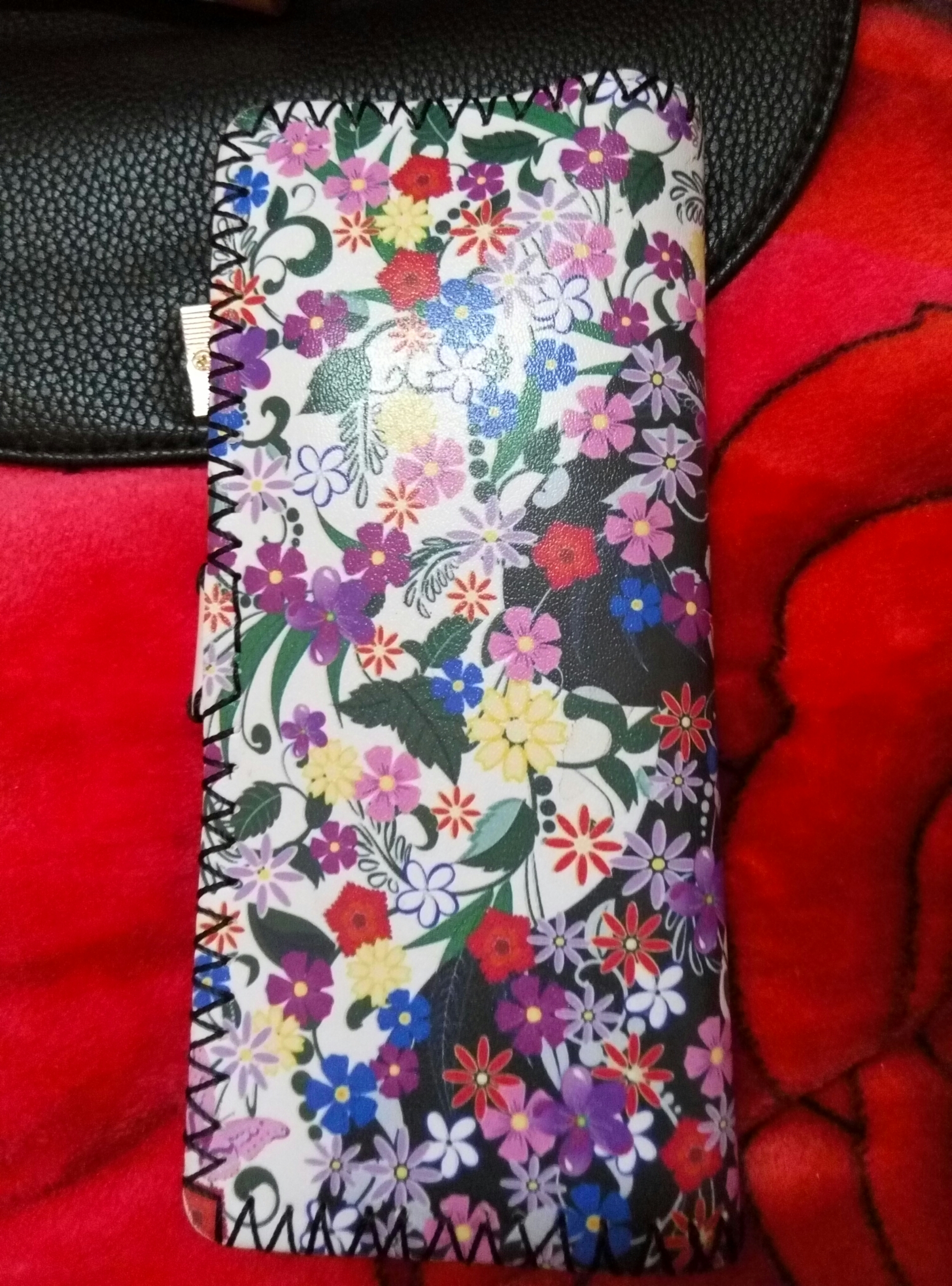
China Fashion~ new wallet

17 Jan

image

image

Cheap wallet bought as a present from a local shop! ♡

Life in China ~ Shhhh, they’re sleeping

12 Dec

Only in China. . . The Construction Bank was closed today with a sign in the door. I asked some students to read the sign and tell me if the closing was for a reason. . . “They’re taking a rest day. They decided everyone needs a rest.” 0_0 Can you imagine a US bank just closing the doors one Saturday for a “rest day.”?

48 Hours in Kaifeng ~ City of Chrysanthemums

29 Nov

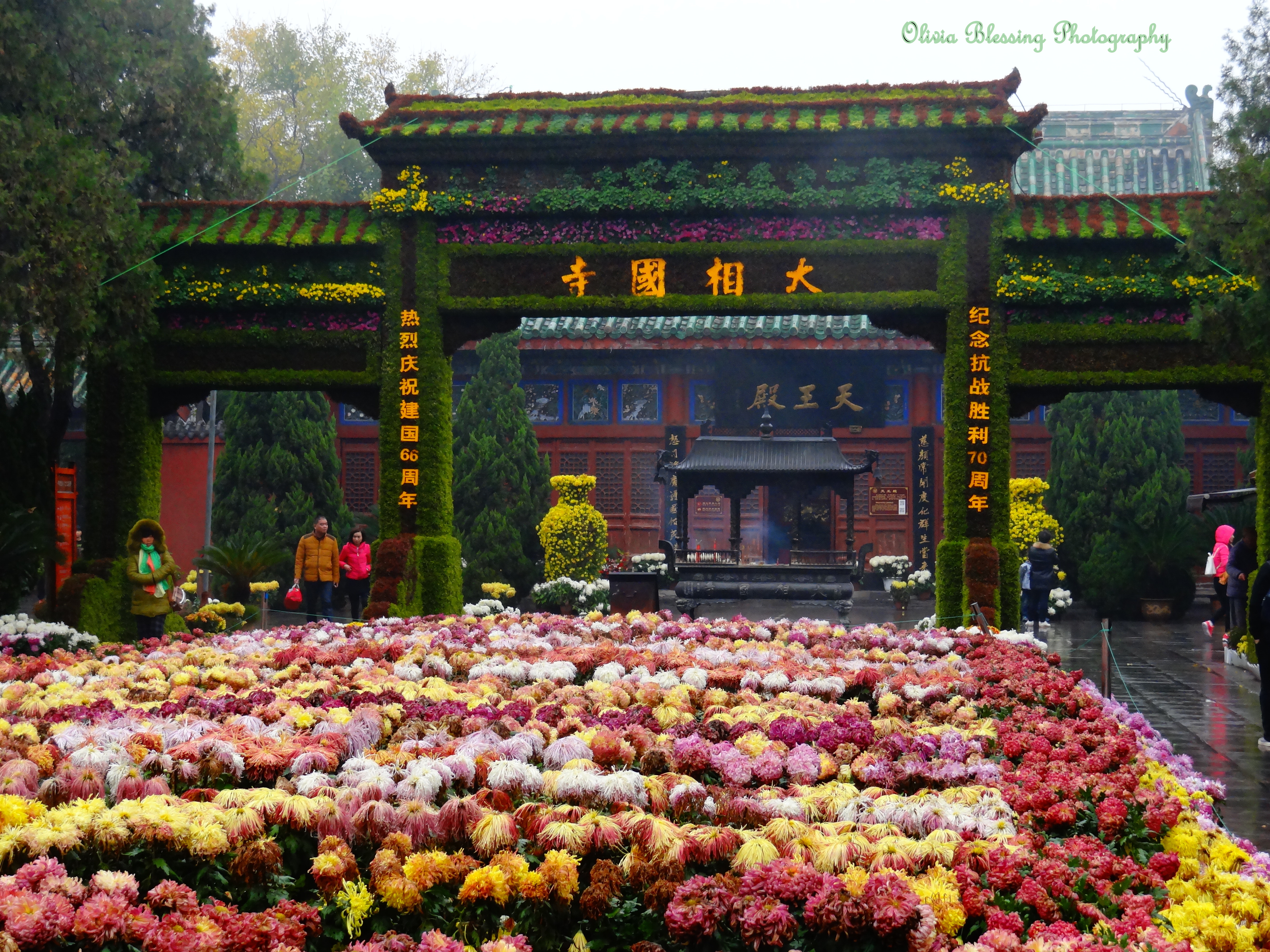
DSC00518

Where? ~ Kaifeng, Henan, China

How? ~ Fly into Zhengzhou (an international airport). Grab the train or a bus to Kaifeng (takes about 2 Hours)

Recommendation ~ Don’t go later in the winter than November 20th or so.  All the cultural sites will be winding up their activities and events, so you’ll miss all the fun things to do there.  For example, we caught the last showing of the Millennium Park War (a major thing to see).

Cost ~ Please note that the costs below are what was reported to me. To be honest, costs vary from week to week here. So it could be as much as 20CNY higher or lower (about $4) for each place, or it could be what I told you. It really depends on the day.
Kaifeng

Why?

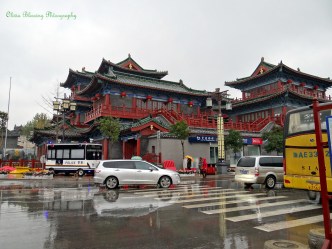
The Ancient City of Kaifeng 开封 (kI fuhng) lies in the heart of central Henan Province, China and trails just south of the Yellow River.  The local Henan people speak of Kaifeng, the capital of six different dynasties and a town filled with beautiful flowers and famous dishes, with the greatest respect and awe.  

Gates

“Open and Shut”

Dating to 364BC, a small city of canals and waterways linked to the Yellow River was created. This little town would eventually morph into a thriving business and merchant city, now home to almost 6 million people. The city would be destroyed, abandoned, and re-built many times in the following centuries, and remnants of these cultures can still be seen at the local cultural sites and the city museum.  In fact, for about 114 years, Kaifeng was the largest city in the world! The tour guide compared it to Tokyo, New York, and Paris in its time.

The characters in the name Kaifeng represent the phrase “Open and Shut.”  Officially, this name represents the fact that Kaifeng represents open and shutting doors.  Kaifeng has always been open to new ideas, new theories ~ a center of business, technology, and politics.  But it is also closed, remaining true to the traditional values and beliefs of its ancient inhabitants.  This is why when you visit, you can find both Ancient villas that appear unmarked by the intervening centuries and modern Shopping.

Secretly, our guide says “Open and Shut” is the name because if you open up the windows in Kaifeng, you’re blown away by the winds.  Perhaps true, it was seriously freezing and the wind could have cut through a sheet of glass.   Continue reading

Chinese Cultural Beauties ~ Moderation

11 Nov

DSC_0463

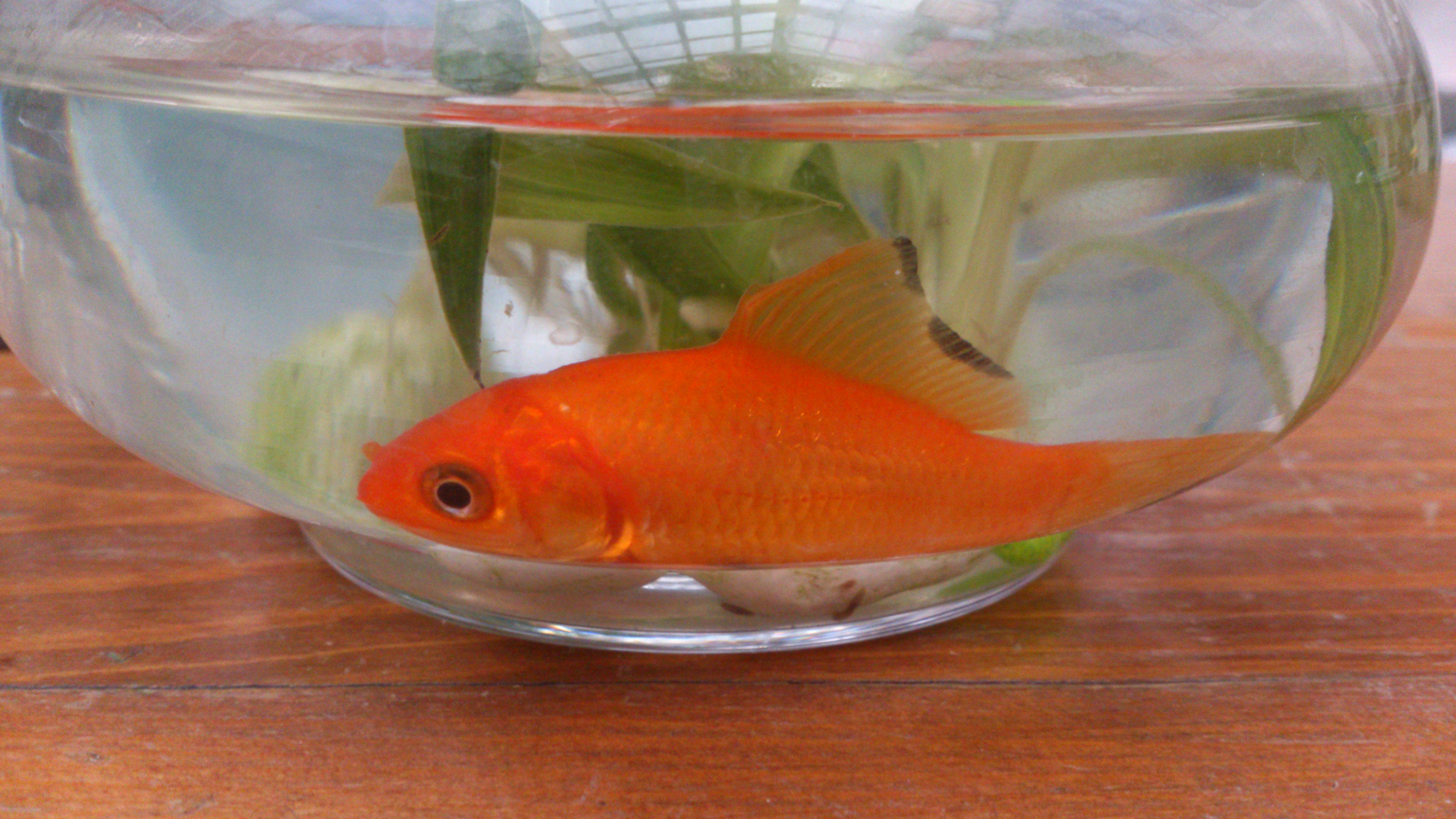
The local cafe has recently acquired a new employee devoted to customer happiness ~ Gordy, the resident Koi fish 🙂

Adorable little guy, he swims around in his bowl quite contentedly, entertaining children and adults alike.

Having attempted to keep koi fish myself and discovering a problem wherein they kept dying, I asked the owner how they have kept him alive so long.

One of the beauties of Chinese culture is how often they answer simple questions with ancient proverbs or philosophical explanations.

The owner’s enlightening response was that the key lay in finding moderation.  The Koi fish are like people~they are a little strong and a little weak. They have particular environments that they need to survive. If it is too clean and easy, they will be lazy and unhealthy.  If it is too dirty and difficult, they will be depressed and find it hard to breathe. They need balance to survive.

So every day, he changes Gordy’s water. But where I would change the water completely, they balance clean and dirty water. They dump out half of the old water and add half with new/fresh water.  This way, the water is a lot like the local ponds that Gordy comes from ~ a little fresh water (from rain and connected waterways) and a little dirty water (from algae, dirt, and other natural dirtiers).  In this natural environment, Gordy grows both strong and happy.

Go Gordy! Live Long and Prosper!

Happy Birthday to China!

9 Oct

DSC00179

This is the week where China celebrates its birthday!  Lots of Fireworks!

Image

The Good Fairy Sings

8 Oct

DSC00009

Image

Lights in the Dark

25 Sep

DSC05288

Life in China: “Home Plants that Clean the Air”

11 Sep

“HOME PLANTS THAT CLEANSE AIR WITHIN 6 HOURS”

by Admin via “Trending Stylist

Plants we grow in the home are not only deserving for more oxygen, but some of them have the ability to clean the air of toxins and mold, and therefore it is less likely to be inhaled by the residents, which is certainly great for health.

After studying domestic plants NASA came to the conclusion. They found that some species filter the air and remove the organic compounds that evaporate better than others.

Also, they filter the air from various building materials, dust, paint etc.

Top 6 plants to have in your home:

Aloe

This plant is great for raising the oxygen level in your home. Also it absorbs carbon dioxide, carbon monoxide and formaldehyde. A single aloe plant can achieve what nine biological air purifier can.

Ficus (FicusElastica)

This plant is very easy to maintain because it does not need a lot of light. It is effective when it comes to cleaning the air of formaldehyde. But be careful if you have small children or pets because the leaves can be poisonous.

Ivy (Hedera Helix)

Everyone should definitely have this herb at home. Ivy removes 60% of the toxins in the air and 58% of particles of feces within six hours since it is brought in that area.

Spider plant (ChlorophytumComosum)

This plant has the ability to make photosynthesis under minimal light. It excellently absorbs toxins from the air such as formaldehyde, styrene, and carbon monoxide, as well as gasoline. One herb effectively purifies air in 200 square meters space.

Snake plant (SansevieriaTrifasciata “Laurentii”)

This plant is almost indestructible and is great for having it at home. It is very resistant and needs very little light for photosynthesis. Besides removing toxins, it is great for the bedroom because it produces oxygen at night.

Peace lilies (Spathiphyllum “Mauna Loa”)

It is excellent for removing chemical toxins from the air. This homemade herb filters formaldehyde from the air as well as trichloroethylene.
NASA says you should have between 15 and 18 of these plants in an area of 500 square meters. Meaning, 3 to 4 plants are enough in 80 square meter area. Do not forget to put one of the plants in your bedroom, because you probably spend some time there. . . . . .

READ MORE

Using An Asian Toilet – The Art Of Squat, Go, Wipe, and Throw

6 Aug

“Using An Asian Toilet – The Art Of Squat, Go, Wipe, and Throw”

via “GuideinChina”

Everything you need to know before squatting over an Asian toilet

I figured having been here almost two months, it was about that time. It’s a fact: come to Asia and at one point or another, you’ll have to squat while going to the bathroom. I’m fortunate enough to live in a Western styled dorm, so I rarely have to use that “other kind of toilet”, but I do use them and with a good amount of success. I realize I’m not the first person to write on the subject – Marco Polo probably did back during Mongol rule when squat toilets were just dirt holes (still primitive when compared to the outhouse). However, his description didn’t have the colorful pictures, translated signs, and detailed diagrams like mine does. There’s more to it than just the perfect squat angle you know. Take a read, you won’t regret it when your bowels are relieved and pants are dry.  And in case you were worried, it’s relatively clean for a post about toilets. So here’s Everything You Need To Know Before Going To The Bathroom In China.


First, a few quick notes

1. China is a BYOTP country.

If you didn’t catch that, BYOTP is “Bring Your Own Toilet Paper” – 卫生纸 “weishengzhi”. In some of the more upscale, fancy, or international places, toilet paper is provided. But on the whole, if you don’t bring your own, your two options are to A) ask the guy in the stall next to you to borrow some, or B) walk home with a little extra something in your underwear. You can buy single rolls of toilet paper in just about any small store for less than a quarter, and I would suggest keeping a pack of pocket tissues with you at all times.

2. Yes, that’s a trash can in your stall. No it’s not for trash.

I haven’t been able to get a definitive answer on this, but in most places in Beijing, flushing toilet paper is a no-no. The sewage system in Beijing (and I’m pretty sure all of China) is old and worn out, and while you might be okay flushing one piece by accident, two is pretty much a sin. That’s right, no need to hesitate, you can just throw it right in with all of the other brown and white tie-dyed toilet paper wads. I like to think that those cans get emptied once a day, but I know that’s a little optimistic. On the positive side, there’s never a need to ask where a bathroom is…the constant stench of festering dirty toilet paper (or toilet paper composting if you will)  is a dead giveaway.

3. Different Names – formal and not so formal:

Squat toilet
Squatty potty
Pit toilet . . . .

READ MORE

Image

Blue Skies Smiling At Me

4 Aug

DSC03989