Tag Archives: Study Abroad

Student studies abroad three semesters, makes lifetime of memories

8 Feb

“Student studies abroad three semesters, makes lifetime of memories”

by Matthew McClure via “The Lamron”

Coming to Geneseo, I knew I wanted to study abroad for at least a year. I knew I wanted to go beyond my past linguistic and travel experience in Europe. This semester, I am returning from three semesters of studying abroad in Vietnam, Canada and Haiti. Study abroad has been an incredibly formative part of my undergraduate career—and my future plans—in both expected and unexpected ways.

The Global Service Learning Program in Borgne, Haiti proved to be a turning point for me. Through this program, I applied my interests in foreign language, intercultural competence and international education to connecting communities in Borgne and Geneseo. My experience in spring 2013 not only focused my academic interests, study abroad plans and career goals, but also had a lasting impact beyond that one semester. My service learning project became the design and organization of a Haitian Creole language preparation component for the course.

Immediately after the Global Service Learning Program, I knew I wanted to learn Haitian Creole and return to Borgne to help develop our program and relationship with the community. I traveled to Boston to attend the Haitian Creole Language and Culture Summer Institute, working with leading Haitian Creole scholars and collecting resources and teaching methods in order to help improve our Haitian Creole crash-course at Geneseo. As a result, I was selected to the Clinton Global Initiative University in 2015 to help support the first public library in Borgne.

In the fall of my junior year, I spent my first semester abroad in Vietnam. I went into the semester expecting a wildly new experience; one where I would learn an exotic new language. What I got was a semester where I was not only independent, but also the only native English speaker in my class. After learning Vietnamese, I could communicate with the locals and also speak to the internationals that spoke English. I met an extraordinary variety of people, both in Ho Chi Minh City and on my travels in Southeast Asia.

Perhaps the most surprising group I met in Vietnam was the Saigon Swing Cats. I had fallen in love with swing dance my freshman year, but I did not expect to find a club in Vietnam. It was a fascinating mix of locals and expatriates—mostly young professionals—gathering together to dance a vintage American dance. This is where I saw the overlap between my international interests and my dance interests. . . .

READ MORE

Common Study Abroad Expenses

11 Aug

Your first step in estimating expenses is to determine what is included in the Program’s Package.  The school/organization will give you a price that you have to pay to them, and what is provided through that package varies from program to program.  Usually, it will include tuition, housing, a certain number of “culture trips” (may be extra!), transportation between hotel and school morning and afternoon (for short programs), VISA (may be extra!), and the assistance of a program advisor.

Some things to verify include:

  • Transportation Fees – does this include flights, trips to and from the school and hotel, trips to internships, extra trips offered during the program, etc.
  • Housing Fees – Is there a deposit required by the hotel? What amenities are provided by the hotel? Is breakfast offered? What about a gym or exercise facilities? Is there a mini kitchen in the room or are you required to eat out?  How about laundry facilities? An iron? Wireless? How many people in a room? 
  • Program Fees – Are all culture trips included in this price? Books? Exam software or notebooks? Transcripts?  All classroom expenses?
  • Flights – If flights are included, how many suitcases do you get free?
  • VISA – Is the VISA included or are you getting that on your own (this is important for your time considerations as well- VISA can take weeks to obtain)?
  • Books  – Are they included?

In addition to the fees required by the school, you will have a number of out-of-pocket expenses. Many of these will depend on your own choices (e.g. shared or private rooms), but certainly some of them are requisite no matter what.  A great place to find information on living expenses is Numbeo’s “Cost of Living” site or try googleing “Cost of Living in . . . . “

Below, I have attempted to list the most common expenses study abroadists face during the trip.

These costs naturally vary student-to-student, place-to-place so this is not a hard&fast list of expenses. Some of us will spend less, some more. But at least it gives you something to work from!

**[PP] = Usually included in the overall price of the program listed by the school

  • Tuition (???) – Depends on the school, location, and length of the program [PP]
  • Flights (approximately $600-$2500 one-way) – shop early, plan well. 
    • Airline Baggage Fees (US-Foreign Country = 2 free bags, then $75-$150 for the third one) – if you are flying internationally between other countries, this cost may change!).  Remember to book all you tickets at once or you might be charged for each bag on any domestic flights included in the trip. Also don’t have overweight luggage!
    • Layover Fees ($0 – $300) – Some flights involve layover delays in between each flight. Sometimes people end up spending money on food, drinks, entertainment, souvenirs, short tours of the layover stop, hotels, taxis, etc.  To avoid these extra costs, bring a book or tablet with you on the trip, take a bus if you leave the airport, and sleep in the airport if allowed.
  • Housing (usually around $1000-$1500 / month) [PP] – usually required even for home-stays.
    • Hotel Deposit ($70-$200) – Not always necessary – if required, must be paid upon arrival at the hotel. Usually will be included towards the cost of the hotel room.
    • Alternative would be finding a hostel (average $15-$50/night) or staying with someone you know.
    • Costs for Hotel Amenities (Gym, Trash, Wireless, Recycling, Laundry, Dry-Cleaning, House-Keeping, etc.) are sometimes not included in given hotel fee.  Ask your program director what is and is not included.
  • VISA ($0-$500) – Usually free if you stay less than 90 days. [PP]
    • If you do require a VISA and you have to get your own, it may require traveling to a major city to the nation’s embassy twice (once to drop off paperwork and once to pick up the VISA). This often adds an extra hotel and transportation cost for the trip.
  • US Passport ($135) – ALWAYS required. Check out our Passport page for more information.
  • Textbooks ($60-???) – Depends on your program, classes, etc.
  • Transportation ($100-???) – Costs can run at very small if you mostly walk to pretty high if you take taxis or have to pay extra money for culture trips or tours. Walk, Bike, or take a Bus if you can.  Save a minimum $100 just in case!
  • Food ($100-$1000/month) – Depends on location, length of program, and what you eat.  Can range from minor amounts to extremely costly.  To save money try cooking for yourself (especially in the hotel has a kitchenette), eating on the street, or finding restaurants that serve the local workers. Avoid cafes, nicer dinner establishments, or tourist shops.  Organic or Vegetarian options often cost more.  You can always bring a tub of peanut butter and live on sandwiches or bring some boxes of Mac&Cheese!  Not to say you can’t taste some good traditional cuisine! Yummy 🙂
  • Excursions ($50-$200/week w/ $300-$400 for one weekend away trip) – We all want to visit the cultural sites and stop off at a good club now and again.  Try to set aside $50-$200/week (more or less depending on what you’re doing), and spread out the costlier places over the duration of the trip.  I’ve never seen a student manage a study abroad trip without at least one major trip to a different country or city, so save $300-$400 for that one weekend traveling expedition.
  • Souvenirs ($100-$250) – You may not spend it all, or you might spend more. But I’d try to set aside this amount as your base.
  • Clothing ($100-???) – Entirely up to you!  But at least $100 in case you find a t-shirt or jewelry or a hat or something.
  • Suitcases ($100-$150 each) 
  • Common Surprise Extras
    • Medication (for the whole time)
    • Iron (if you have a suit) or Dry-Cleaning
    • Laundry
    • Internet (if you don’t have wi-fi, you can sometimes rent a router)
    • Phone Service (a lot of international travelers rent a phone and plan for their trip)
    • Insurance (Health and Renters)
    • Gym / Exercise
    • Kitchen Appliances for the room
    • Living Supplies (shampoo, conditioner, soaps, dish soap, blankets, towels, hair dryers, plates, trash bags, etc.)
    • Clothing (emergency shirts, pants, suits, shoes, hair things, hats, etc. – you packed for hot and it’s cold, you packed for hiking and you suddenly have an internship with a company.
    • Doctor’s Bills – food poisoning, broken bones, etc.
    • Appliances – extension cords, adapters, chargers, padlocks, etc.
    • School Supplies – pencils, notebooks, etc.

So What About You?  Any Costs You’d Add To The List?

Where to Study Abroad? – 10 Things to Consider

29 Apr

DSC06306

Once you have made the important decision to study abroad, it is important to find the very best place for your dream adventure. Regardless of whether this is a once-in-a-lifetime trip or a one-in-a-billion trip, finding the ideal location is a big process.

But the world is large and glorious in all its wonder!

There are approximately 200 countries in the world, and almost all of them offer at least one collegiate institution for you to study in.  So many options, so little time!  It’s mind-boggling how study abroad can open your horizons and offer you the world on a silver platter.

So making that final decision of where to go can be a bit tricky and stressful. To help you out, I’ve talked with several study abroad students and drawn up a list of ten different considerations that can help you narrow down the choices.

Tag Archives: who makes more money

1. Money

It seems a bit petty, but money tends to be the first element worth considering when choosing your program. Studying abroad is hardly inexpensive, but some countries and cities can take less out of your bank than others.  For example, China and Korea have somewhat similar cultures and many similar programs; however, Tianjin is statistically cheaper by far than Seoul.  And Japan can run at New York costs if you stay very long.  So look at the cost of living for your country choices, not just the cost of tuition!
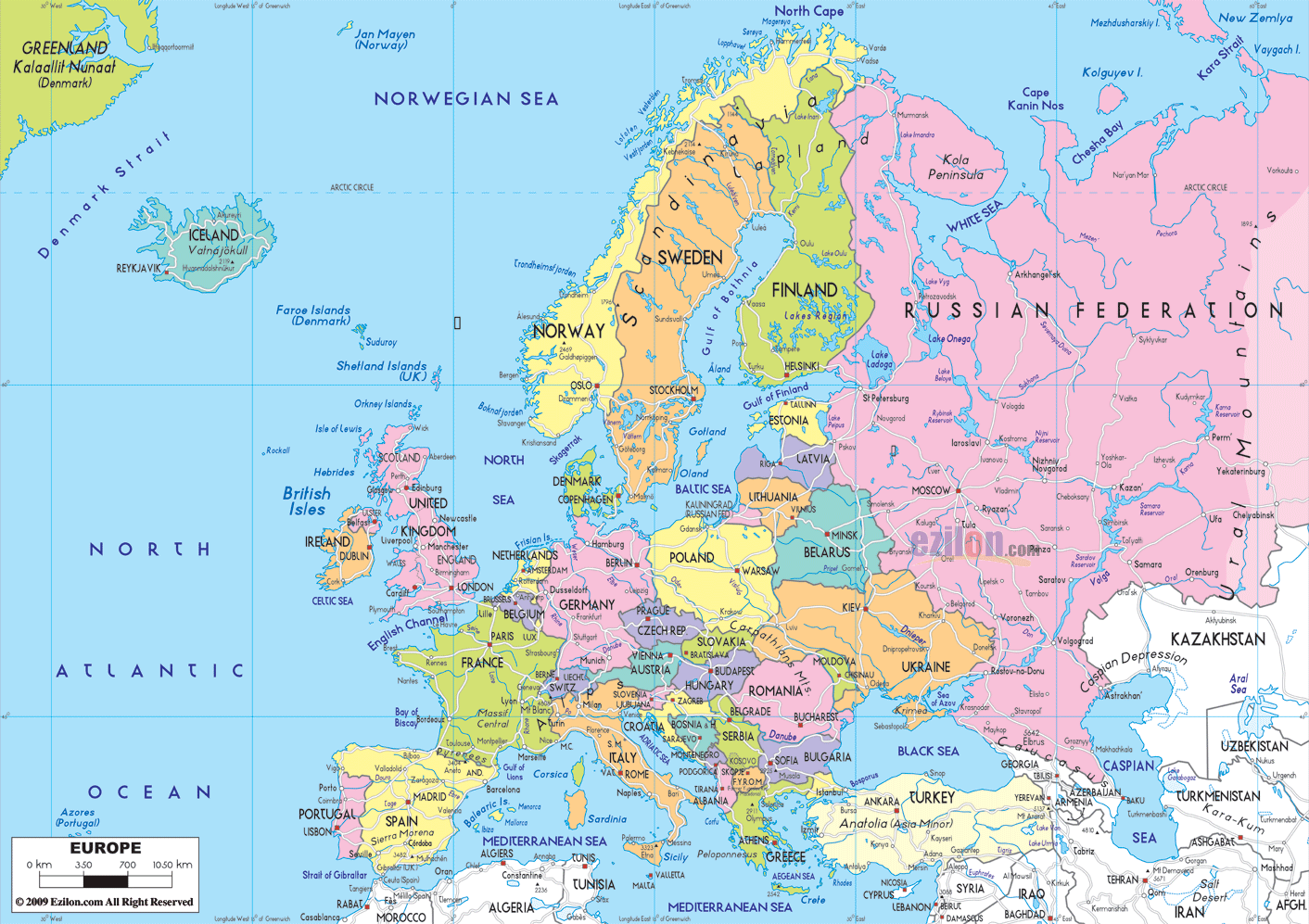
Map of Europe and European Political Map

2. Extended Travel

Some places make it easier than others to travel around a bit. People who travel to Europe are pretty free to hop on a train and set off all around the many nearby countries. The trip from Paris to Berlin in hardly worth mentioning, and maybe next weekend, you could pick up Spain or Switzerland?  South-East Asia is similar in some respects (Vietnam, Cambodia, Laos, China, India, etc.); however, keep in mind VISA costs and requirements.  On the other hand, Hawaii is a lovely state, but travel to other places is hardly easy. Same is true of most islands or isolated countries.  The middle of Russia is beautiful, but you’ve got a ways to travel to get out of it. Moscow on the other hand, might be a possibility.

world-map

3. Multiple Places?

Most students think of spending all their time with one program, but did you know it’s possible to do more than one if you plan it right? One summer, I picked up consecutive programs in Japan and China, spending the week in between relaxing in South Korea.  I carefully shopped around the different programs and found two that were close in time, but not overlapping.  Since I stayed in Asia, I wasn’t paying extra flight costs, it was just a matter of applying and being accepted to both programs. Think about the possibilities!

4. Extra-Curricular Activities

As I’ve said before, Study Abroad isn’t entirely about the program itself. Look into locations where you can pick up an internship or two. Maybe you know someone there who will give you a job or let you trail them at work.  Places where you can see some history and culture; watch some current major events; maybe even contribute some help of your own like a mission or volunteer program.

5. Career

Presumably, you picked study abroad because it will benefit your career in some way. Mostly for the fun sure, but there should be some small piece of you that’s hoping this will help your future. So think about places that will offer the most resources.  If you are interested in Asia-focused topics (languages, history, economy, government), then don’t look at European schools. On the other hand, if you are all about Brit lit, the EU system, the debt crisis in Greece, Renaissance art, etc. then maybe Europe is the place for you. Once again, think about places where you can get internships, visit relevant businesses, interview beneficial contacts, do some networking.

6. Language

This one is obvious, but worth noting — are you interested in learning a foreign language? If the answer is no, then stop. Go look at programs in countries that speak your language. There are tons of places that speak Chinese, French, English, Spanish, Arabic, etc. Just find one in your language and go with it. If language-learning is not part of your study abroad goals, then don’t bother with the stress.  On the other hand, if you think learning a foreign language will be helpful or you want the adventure, then stop looking at countries that speak your language and find one with a language that looks interesting to you. 

7. Program

Of course, you can’t forget to look at the program itself. In fact, it might be one of the first things to look at if it’s at all important to you. Despite what it seems like, study abroad programs aren’t all alike. There aren’t a million of every kind in every single country.  For example, I studied law, and there aren’t law school programs everywhere in Asia. I had to shop around before I found one in Korea at all. Options were very limited. Same is true of many other programs. Study abroad programs tend to be for the arts, business, or some sciences. Other programs, you may not have much of a choice. So before selecting the land of your dreams and getting your hopes up, make sure a program you need is available there.  

8. Time

How much time do you have to spend on this excursion? One week? Three weeks? Five months?  Trust me, you don’t want to waste your big opportunity spending a whole semester at a school in the middle of no-man’s-land with little means to get out. One week there, meeting the locals and becoming familiar with traditional customs? Might be a lot of fun!  If you have a lot of time, I recommend picking a place that has several nearby places you can visit that interest you.

9. Safety

Of course, keep in mind your own safety.  There are a lot of countries that I have always wanted to visit, but I really don’t think are safe right now. For example, I’ve always wanted to see the Sphinx and Pyramids and parts of Africa, but Egypt and Nigeria have had some problems. As a single, white Christian female, I may want to find a different country for now.  Or think about the places that are having bad disease outbreak.  Maybe there are places for you that are less safe than others; don’t risk your life recklessly just for a fun experience.

10. Dreams

Don’t forget to think about your dreams. If there is that one place that you’ve always wanted to check out, now would be the perfect time. I once visited China with a friend who can specifically to see Pandas in their natural habitat. She loved, breathed, and lived pandas, and this was just a major dream for her. Of course, the program was good for her too, but she really came for the pandas. And that’s okay too!

Life is about being happy, finding the things that light up your world, making a difference, and reaching the dreams that lay deep in your heart. Take this time as the opportunity to do that – find the place you love, that home away from home. And enjoy the heck out of it!

7 Tricks for Making Your Study Abroad Experience Pop

13 Mar
"In front of Pudong Skyline" by leniners

“In front of Pudong Skyline” by leniners

In 2012-2013, the United States saw 289,396 students studying abroad. (1) While that is still on 1% of the student body population, the number is ever increasing. Add to that the students and people who are traveling via vacations, volunteer missions, immigration, military, and other international-related events and you have a surprising number of people with experience travelling abroad. In fact, in 2012, one billion people travelled abroad as tourists, and that doesn’t include those who go on a different type of VISA, such as teaching or business.(2)  

Studying abroad is a highly advantageous experience; offering a wide number of benefits from increased confidence and self-determination to broader understanding of how the world works.  Still, perhaps the #1 reason why most students go abroad is the concept of resume-stuffing.  When launching ourselves into a new career, it can be difficult to stand out from the crowd; especially when most students have little practical work experience to fall back on.  Study abroad is one of the ways we give ourselves an edge over other candidates.

But now the word is out – Studying internationally offers excellent opportunities, builds your qualifications, and is fun to boot. So more and more people are joining the group of college and high schoolers stepping on planes  every summer, winter, spring, and fall.  

When the goal is to make yourself stand out, it’s starting to be more difficult to achieve this with study abroad. Too many people are doing it along with you. So how do you make your Study Abroad experience POP! What will help you rise above the crowd, pushing you in front once again?

1. Try a long Summer or Semester

Many programs in the Winter or Summer are actually pretty short. The two to three-week jaunt is pretty popular for universities, more like a small tour than classroom experience. While the shorter programs have a lot to offer (easy to fit into schedules, allows time for other experiences, lower costs), there is something to be said for taking a month or semester long program.  Attending a foreign university, taking actual classes with substantial assignments, getting more time to make the most of your trip and all the trip has to offer.  It will add to the legitimacy of you program in the eyes of Interviewers.

2. Step Out of Your Box

I say this quite frequently, but don’t just follow the program guide. Try planning your own adventures; adding friends or locals is even better. Too many students want to follow the schedule and then hang out at the hotel or nearby club. While the clubbing may certainly be fun; neither of those things adds to your hire-ability.  Instead, use the time to visit a museum, check out the main sights, try to get new and unique experiences. Feast at a random, untested food stall on the street. Go to an unmapped area in the city and wander the streets to see what you find. Employers who  look at study abroaders are significantly looking for people who show initiative, adventurousness, and adaptability. The best way to demonstrate that is to offer examples of times when you struck off the main roads and did something new and daring.  

3. Choose Well-Known Schools

One of the surprising things about Study Abroad is that it is usually easier to study with a reputable university for a short term than a long one. A lot of universities that would overlook you as a full-time student will gladly accept you as a student in their global program.  There is also the opportunity to pick a program at one of the hundreds of internationally recognized universities with ranking similar if not equal to US Ivy Schools. The international world of education has a lot to offer. Studying abroad is an easy way to study at a somewhat better (or more well-known) school than you otherwise might have.  

4. Pick Up a Internship

For some reason, most students don’t take internships into consideration when studying abroad. However, adding on work experience is one of the best ways to boost your resume.  You can find a lot of programs that offer an internship as part of the program itself (e.g. I studied with Fordham who organized a month-long internship with Samsung’s Legal Team in Seoul at the end of their summer program).  But you can also go out and find your own internship. Contact local companies; get ahold of your university’s career office and see if they have any contacts. 

5. Build Connections (and communication skills)

One of the worst mistakes Student Abroaders make is to hang out with fellow internationals and ignore opportunities to meet the locals.  It’s easier and more reassuring to sit and chat the night away with fellow English-Speaking members of your group than to stick yourself out there. But one of the skills to market to Employers on your return is that very skill – The ability to communicate with people regardless of background, culture, or language. Plus, you’d be amazed at the fascinating people you might meet! By opening up to the locals, you’ll meet expats who have had superstar careers or travelled to 150+ countries, local businessmen who own cool companies and invent awesome things,  maybe even some connections to help your career. Speaking of which, deliberately seek to meet and introduce yourself to people in your career field – ask for appointments, request interviews, and keep in touch with all the people you meet via LinkedIn or Email.

6. Take time on your Own

Having tested out several different types of study abroad programs, I found that the best and most beneficial experience were the trips I struck it off for a few days on my own. Maybe it’s just for a weekend trip from Madrid to Paris or jetsetting off for the holiday down to Shanghai. Or even just scooping out the little village an hour out. Planning and successfully completing a trip on your own in a foreign country is an amazing opportunity, and it grows you somehow. It doesn’t have to be expensive, but it shows you and your hirers that you have it to go. Dump you in a complex, difficult situation, and you can thrive. That’s not something a lot of students abroad do, but it sure helps you move out from the crowd.

7. Don’t slack on the Grades

Don’t use the study abroad trip as a chance to slack off and grab easy grades. Did you know that a lot of schools offer “Highest Grade in. . . . ” even for study abroad classes?  It looks great on your resume if you can grab something like that. Plus, this is a good chance to boost your grades since Study Abroad classes tend to be more laid back and relaxed.  Use this as a chance to show people that you can adapt and succeed in any situation, even classes in a totally different country, maybe in a second language.


International Shipping

4 Aug

The question of what to move in suitcases and what to ship later has risen several times on the FB page for my new Teaching Abroad friends.  But I also remember it coming up when I was studying abroad as well, especially for students living abroad for more than a couple of weeks.  

This is what I have gathered about shipping with USPS:

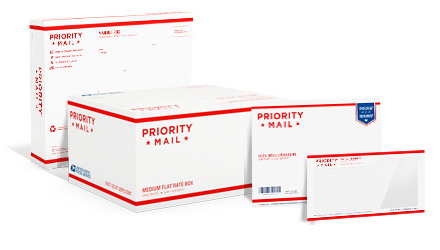
USPS will allow you to send the Large and Medium Flat Rate boxes up to 20 lbs and Flat Rate Envelopes and Small Flat Rate boxes up to 4 lbs (weight is the maximum; some countries have weight restrictions limiting you to a smaller allowance).   More information is available at the USPS website for International Shipping.

Services include shipment to over 180 countries.  

Flat Rate costs (to anywhere outside of Canada:

  • Envelope ~ $24.75
  • Small Box ~ $24.75
  • Medium Box ~ $61.75
  • Large Box ~ $80.50

Random Tips:

  • More information about individual countries’ restrictions are available here.
  • It’s cheaper to send 2 small boxes than 1 medium. 
  • Pack it as full as you can possibly get it (within the weight limit)
  • You can find the boxes online or at the post office.  
  • Pricing Guide available here.

Book Review: “A Cheap Ticket For Student Travel”

21 May

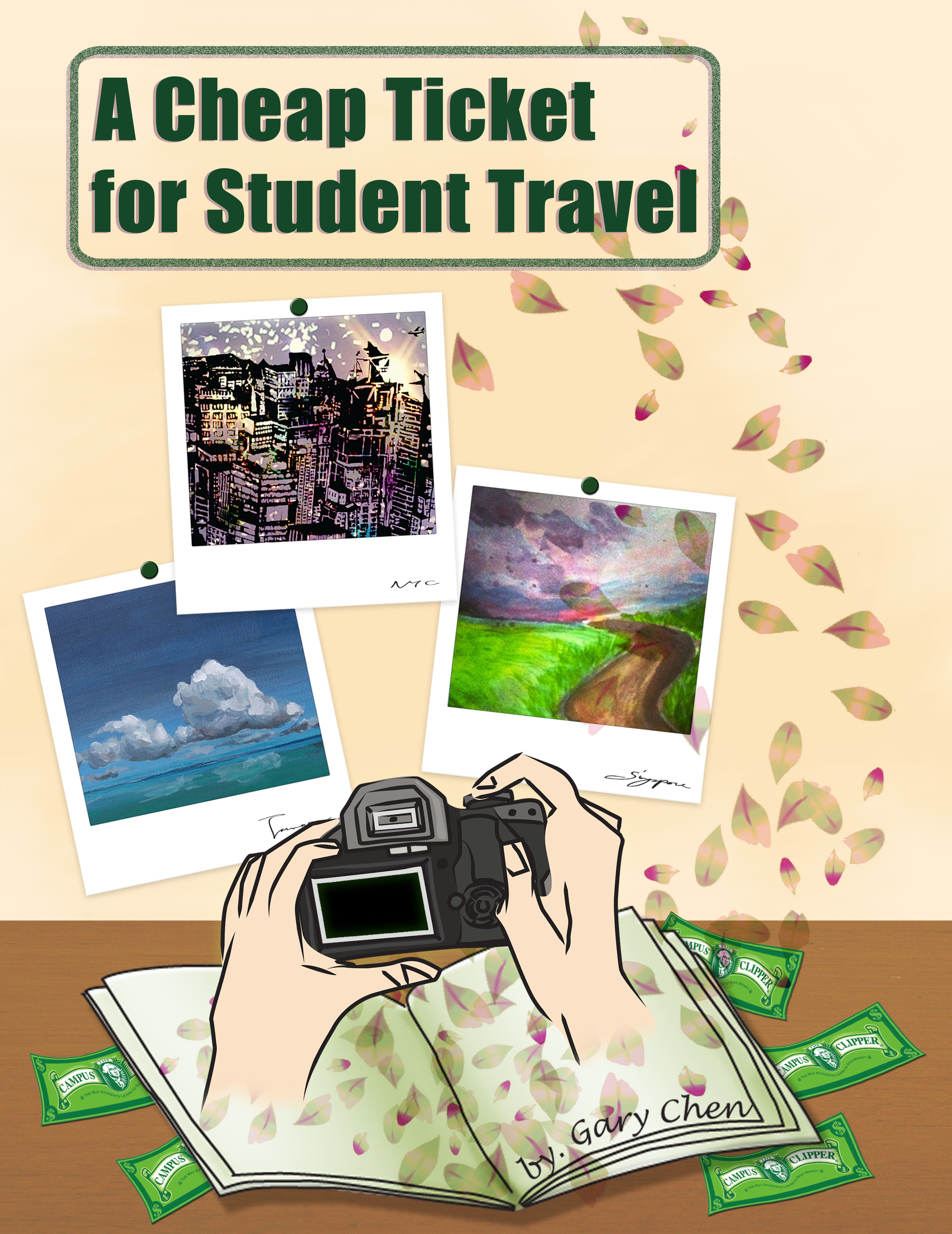
“A Cheap Ticket for Student Travel”

by Gary Chen

A small little guide for the average college student on saving while they travel.

Gary Chen’s new book, “A Cheap Ticket for Student Travel” is a great, yet short, read for college/low income students interested in traveling (especially traveling abroad).  At only 23 pages (in PDF form), you can read through it pretty quickly, but it offers some great insights into how you can travel even on a college student’s budget.  

He opens with a pretty strong argument for traveling while you’re young ~ time, energy, and lack of ties.  This is something I wish a lot more students would keep in mind; by the time you have jobs, families, and other demands on your time and attention, traveling becomes less and less of a likelihood.  Since traveling can significantly add to both your accomplishments and the broadening of your experience, taking that awesome trip now is a pretty good idea.

Most of his advice officially starts in Chapter two, where he begins with the important saving tool – Planning.  This carries through the next two chapters during which he discusses how  even little things like grouping nearby locations together can save money on costs.  Chapter 5 is where he really gets into precise methods of saving as opposed to more general recommendations.  He also has a really great form on pages 17-18 that helps you list out your expected expenses and likely total.  I think filling this out is a great way of reminding yourself precisely how much this might cost you and what you need to save. Throughout the book, he offers some great means of saving and I like the main message he communicates — traveling doesn’t have to ruin you financially!

Writing style: Some of the writing could use some editing and there were a few choppy areas, but overall I found it to be a quick and easy read.  A great addition to the ebook is the number of internal links Chen offers his readers–he frequently links to relevant and interesting articles relating to the subject of discussion.  Particularly helpful are the links to discount sites and saving tools; I might even use a few of these!

If you are interested or thinking about traveling, I recommend checking his book out.  You can find it on Smashwords as a FREE E-book (I like the free part, it matches his theme 🙂 )

READ ON SMASHWORDS

Studying Abroad: A Résumé Builder

5 May
One of our Professors in Japan

One of the Professors in Japan

If you are interested in Studying Abroad or if you have Studied Abroad in the past, now might be a good time to look at how it can help expand your Résumé.   

Study Abroad

One of the simplest ways that you can use your Study Abroad experience in your Résumé is simply by listing it as part of your education.  There are multiple ways you can benefit from this.  First, if you are new to the career field, then your Résumé might be running a little thin on information; use the “Studying Abroad” experience as a filler/lengthener.  Sounds silly/cheap, but everything counts in the job search.  More importantly, if you list the foreign college that you studied under, it adds to the depth of your educational experience. It shows that you have studied under Professors coming from different backgrounds or ways of thought.  It adds to the fact that you might bring in unique or different ideas to their work. For example, I have studied the Law in Civil Law nations and Common Law nations. That means that simply by stating that I studied in China and the United States, my interviewers can tell that I understand ways different people view the law and how it can be applied in alternative ways.   It strengthens the fact that I stand out from the rest of their applicants.

Skills

One of the things you are going to need on both your Résumé and your Cover Letter are key terms, skills, and/or character traits.  You will frequently be asked to name your strengths, weaknesses, and abilities.  Or perhaps you just need to show them what you can offer their team.  If you Study Abroad, there are many helpful terms that can now be applied to you.  Some of those you might use include: Continue reading

Seoul Grand Park Zoo

23 Nov

Random photos from my trip to the Seoul’s Grand Park Zoo!  Great place to take your kids 🙂 Just make sure you have run and play clothes cause the kids like to hit the fountains, play areas, etc. 

_____________________________________________________

Subway Stop: Seoul Grand Park

Subway Directions: Take Line 4  to the Seoul Grand Park stop (i.e. toward Oido) and follow Exit 2.

 If you look at the subway map here, it is the 7th stop after crossing the river.

ONWARD TO THE ZOO!!

When you take Exit 2, you will see a long walkway in front of you. All you have to do is go straight  until you come to the big fountain and the building behind it that says zoo.

There is a little ticket booth at the big building, where you buy a shuttle ticket for 1,000 Won.  Go through the gates and get on the shuttle; the zoo will be on your first stop.  Check out the map below for directions.


From there it’s all fun and games and pet-the-animals 🙂  After you enter the zoo grounds, there are red, yellow, blue, and green lines painted on the paths. Each one is a different route, and you can pick and chose which you want to follow via the maps.  I ran up the Blue and Green paths, which took me past the big wild animals (Bear, Tigers, Elephants, etc.), ocean/marine animals, and a few other odds and ends. Plus I got to hit the HUGE ski lift which carried me down the mountain over the tiger/cheetah/lion exhibits and some gardens; an amazing experience.  I am seriously going back there just to ride the ski lift again.  I also like it cause it gives the kids something fun to do on the way down without making them walk all the way back down the mountain when they’re tired.  With my undying distaste for anything snake related, I always avoid the reptiles and birds weren’t really high on my list; however that all available as well.  

Wall of Travels

16 Sep

Wall of Travels

I make no bones about the fact that I am a very, very poor law student. And by poor, I mean macaroni & cheese eating, ramen-guzzling, hold off on air-conditioning until 100+ degrees poor.  So when I have the opportunity to travel abroad, I get down on my knees and thank God for the money to pay for the hotel.  I’m incredibly lucky if I can pick up a few presents for my family and friends, but souvenirs. . . not real high on my list of what is worth spending money on (like food, and, you know, museum fees).

Then there’s the fact that I’m moving in less than a year, hopefully abroad, and that means GARAGE SALE!  Woot, woot! I get to get rid of all my stuff/treasures or figure out how to pay for a storage unit for it all.  Adding to the stuff I have to get rid of is hardly an incentive when looking at the prospect of buying souvenirs. If it isn’t worth keeping in a storage unit; it’s not worth buying in the first place.

And none of this takes into consideration the issue of packing. . . . I’m a professional packer. No, seriously, people should pay me to pack for them.  I came home last summer with 1 suitcase at 49.3 lbs and the other at 49.7 lbs on a 50 lb. free luggage limit (the guy at check-in was incredibly impressed 😛 ).  This summer, it cost me a pair of holey shoes, a few underwear-related items, and a buttload of beauty products but I got my suitcase through at 48.8 lbs.  But I’ve had a friend who insisted on buying so much stuff she had to leave some souvenirs behind and it broke her heart. So I’m always a little cautious about buying things that will either break in transportation or weigh too much entirely.

Instead, I’ve stumbled upon the beauty of postcards.  Usually people buy postcards to give away or to mail back home, but I actually like to keep them.  I have a few rules before buying a postcard:

  • It has to depict something I’ve actually seen — i.e. the building, the artifact, etc.
  • It has to have been bought at the place where I saw it/or at a related place on the same day (If I’m visiting a bunch of temples in one day, I might pick up a package at one that has a picture of several I visit that day).  
  • It has to be worthwhile–a picture of the airport doesn’t count 😛
  • I don’t get a bunch of the same place. I have to choose what is the best image.

I’ve actually been collecting postcards for several years now, and each one has a special memory attached to it. I’ve got everything from the Cliffs of Moher in Ireland, to one of the churches in Savannah, Georgia, to a dolphin I saw at the zoo in Seoul.  I have cards from the whirlwind tour my aunt, mom, and I took when looking at colleges where we covered the greater East Coast through Texas in 2 weeks.  There are cards of the trip my mom, aunt, and I take on their birthday (they each have one in the same week) every year (we’ve gone all over the US).  I have some from China, and from the temples of Japan.   

But I don’t just collect post-cards; I also save some small gifts that I’ve been given during my travels.  For example, the Red, yellow and blue fan was a present from a tourist-helper on a particularly hot day when I was dying of heat.  There is a small, pocket-sized good luck charm someone gave me before my exams in Japan when I visited a local temple.  There is also a sheet of paper I was given at the book expo in Seoul; the guy hand printed it with a replica of the world’s first movable type printing press.  

I’ve been working on this wall for 4+ years now, and finally I have completed one portion of the wall!  You can’t really see it, but I’ve filled up the rest of the wall with some hand-outs I’ve gotten from temples, a timeline of Korean history I got at a museum, etc.  None of it cost me more than $3; many were gifts.  They are flat and easily transported when I move; and they connect so carefully with all of my happy memories of these places.  I hope to continue gathering my collection until I can fill up all 4 walls of my room.  Each one a great memory; reminding me of the best of my trips and encouraging me to carry onward in the future.

Sayonara Japan!

12 Jun

Two days ago, I officially made my sad goodbyes to the wonderful people I met in Kyoto.  I had the opportunity to meet some amazing folks, both in the program (like my absolutely fabulous roommate) and on the streets of the city itself (like our totally sweet and awesome hair cutter/stylist at the Noel Salon on Shijo-dori near the corner of Shijo and Senbon–you should definitely check her out).  I got some amazing pictures and great adventures were had by all 🙂  Everything from washing our hair in Shampoo and then Body Wash because it looked like Conditioner (stupid look alike bottles) to finding a restaurant that offered Beef Tongue and Grilled Horse meat (true story–it also served beef gristle; you know the stuff you cannot eat off your steak?!?).   We got lost so many times, but every time met someone or ran into some awesome landmark that made up for it.  We found new favorite restaurants (Anri in Porta at Kyoto Station is DELICIOUS!), favorite hang-outs (loved wandering around the riverside at Arashiyama), and new best friends.  

To Japan: I Salute You For A Wonderful Time!